Article 85 Demolition Delay


Article 85 Demolition Delay is the amendment to the Boston Zoning Code that requires the submission of an application before the substantial demolition of any building more than 50 years of age in the city. It also applies to buildings located within a Neighborhood Design Overlay District as well as those located in Downtown or Harborpark.
While the intention of Article 85 is good, in practice it fails to provide enough time to reasonably assess alternatives to demolition and often comes too late in the process to incentivize owners to consider those alternatives.
After an Article 85 Demolition Delay application is submitted, the Boston Landmarks Commission staff conducts a review to determine whether the property is of historic significance. It’s important to note that it’s estimated that only 13% of buildings proposed to be demolished are found to be historically significant, a conservative number for a city where the vast majority of buildings are more than 50 years old. If a building is determined not historically significant, the applicant can move forward with the demolition as soon as other required permits and reviews are completed.
If a building is considered historically significant, a waiting period is triggered and the applicants are asked to file an alternatives analysis. The current waiting period in Boston is only 90 days.
There are significant weaknesses in Boston’s Demolition Delay process. The delay is often enacted after owners have put a lot of time and money into their proposals and does not provide adequate incentives to seriously consider alternatives. Furthermore, three months is not enough time to have meaningful dialogue between owners, community stakeholders, and the City if plans for demolition are already underway for unprotected properties. The result: Boston loses meaningful places, especially in minority-majority neighborhoods.
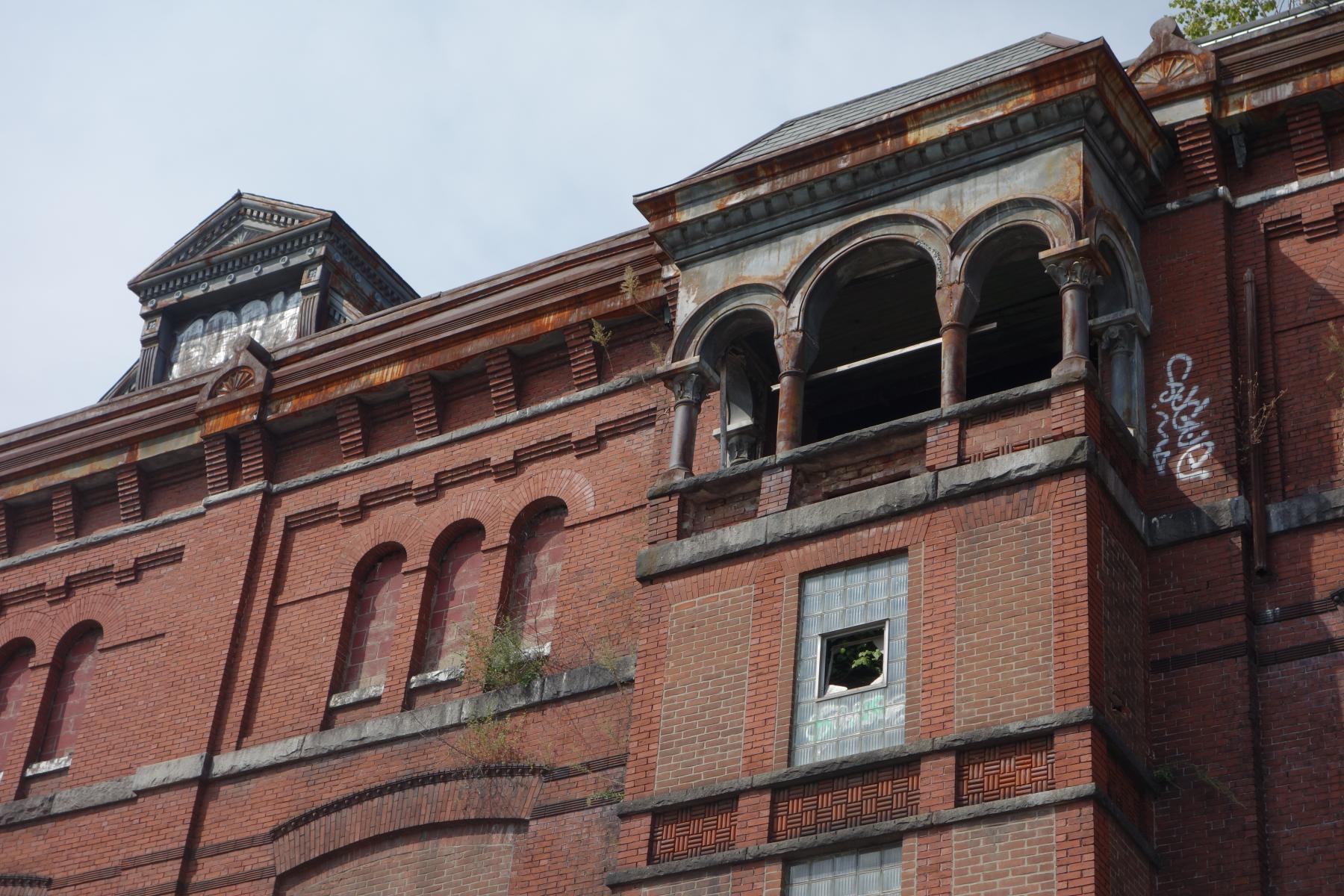
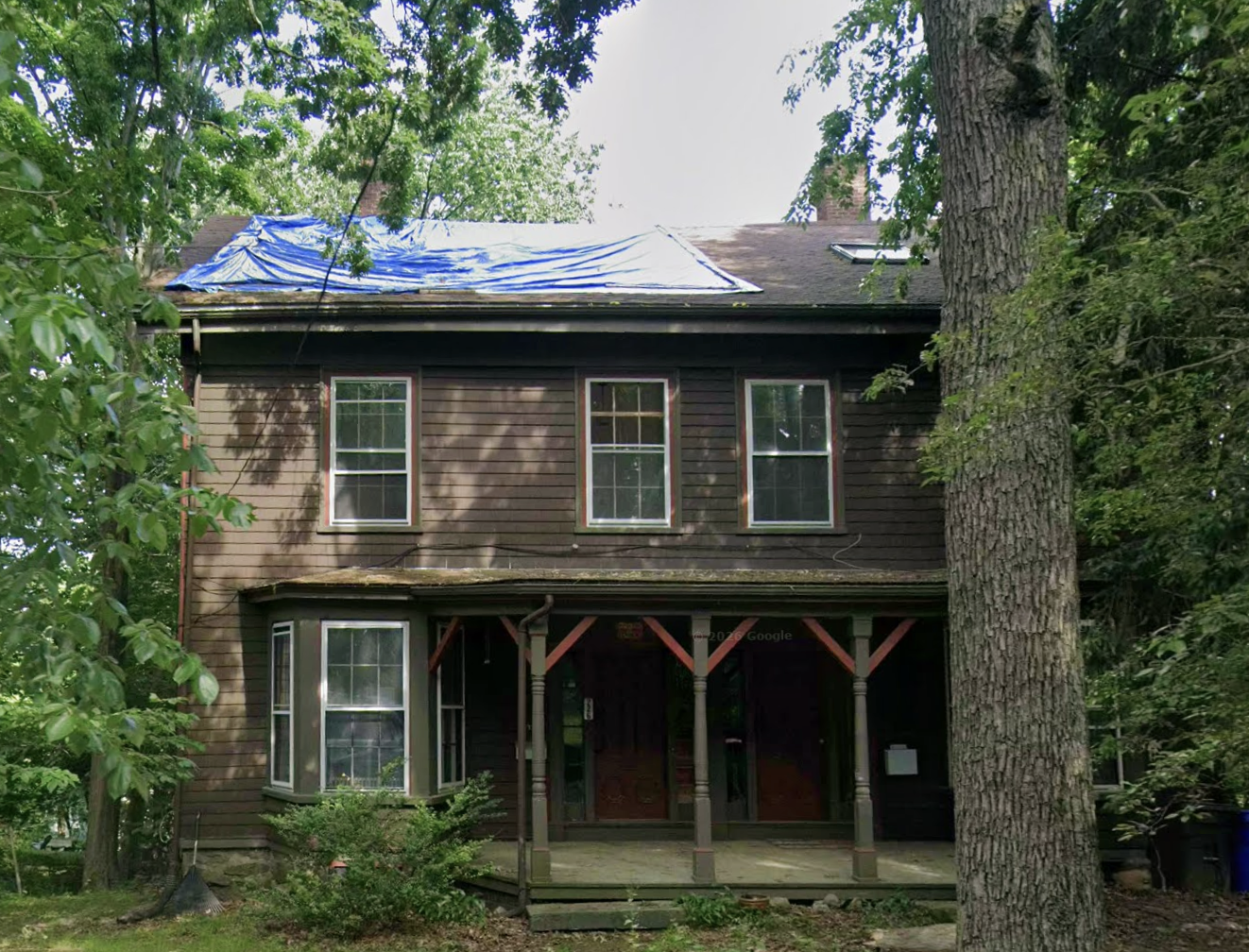
The traditional Article 85 process also highlights the danger of unchecked demolition by neglect. No matter how much historic significance a property maintains, the Inspectional Services Department can issue a tear-down notice if a property poses a public risk. This means owners of historically significant properties who want to avoid the Article 85 process that may slow down plans to demolish these buildings have an incentive to leave them vacant and exposed to the elements. While ISD does provide oversight to properties and can issue orders to secure buildings to avoid reaching a point where they become a public hazard, many fall through the cracks.
Bostonians need a Demolition Delay that’s fair for everyone, including developers and community members.
Comparison cases:
Within 7 days of an applicant filing for a demolition permit, the Building Commissioner or designee will determine whether the building is preferably preserved (i.e. Any building within the City of Springfield which is 75 years old or older, as recorded by the Assessor, or any building which is listed on, or is within a district listed on the NRHP).
No demolition permit shall be issued for a preferably preserved building for nine months following receipt of the application by the Commission. If the Commission has not designated the building as an historic district, within nine months of receiving the application, then the Building Commissioner may issue the demolition permit.
Exemptions apply.
No person shall demolish any designated historic building without the approval of the [Worcester Historical Commission]. Any person may request the Worcester Historical Commission for approval of the demolition of a designated historic building. The commission shall designate an officer responsible for the receipt of such requests who shall establish a date and time for a public hearing on the application. Such hearing shall occur not more than forty-five days from the date the application for approval has been received by the commission.
If the commission determines at the hearing that both the demolition of the designated historic building would be detrimental to the historical or architectural heritage or resources of the city, and that the immediate demolition of the building is not necessary to avoid an undue economic hardship to the property owner, the building may not be demolished until twelve months after the date upon which the request was filed with the commission.